
A newsletter can be much more than a regular email sent to subscribers. When built around a specific audience and useful content, it can become a valuable business asset that helps creators build relationships, attract customers, promote products, and generate income.
You do not need a massive audience or an established brand to get started. A focused newsletter with engaged readers can create opportunities through affiliate marketing, sponsorships, paid subscriptions, and digital product sales.
But making money from a newsletter requires more than sending promotional emails. You need to understand what your audience wants, choose a suitable business model, and provide enough value to earn their trust.
In this guide, you will learn what a newsletter is, how it works, and seven practical newsletter monetization strategies you can use to build a profitable email-based business. You will also discover how to start a newsletter, choose a platform, and monetize it even when you have a relatively small audience.

What Is a Newsletter?
A newsletter is a regularly distributed email that delivers information, updates, educational content, recommendations, or promotional messages to a group of subscribers.
Businesses, bloggers, creators, organizations, and online entrepreneurs use newsletters to communicate directly with people who have chosen to receive their emails.
For example, a personal finance blogger might send a weekly newsletter containing budgeting advice, saving tips, and recommended financial tools. A digital marketing creator might share SEO strategies, useful resources, industry updates, and affiliate product recommendations.
Unlike a random promotional email, a good newsletter usually follows a consistent theme and gives subscribers a reason to keep reading.
Newsletters can be free, paid, or a combination of both. Some creators use them primarily to build an audience, while others treat them as a direct source of revenue.
The important thing to understand is that a newsletter gives you an ongoing way to reach an interested audience without depending entirely on social media algorithms or search engine traffic.
How Does a Newsletter Work?
The basic process is straightforward.
First, a creator or business chooses a topic and identifies the people who might be interested in receiving regular updates. They then create a signup form and invite visitors to subscribe.
After someone joins the mailing list, the newsletter owner sends emails containing relevant information, resources, recommendations, or other useful content.
- Attract subscribers: Use website forms, landing pages, and social media to reach interested people.
- Collect email addresses: Let people voluntarily join your mailing list.
- Create valuable content: Prepare useful tips, guides, updates, and recommendations.
- Deliver newsletters: Send emails on a schedule subscribers can understand.
- Build relationships and monetize: Introduce relevant offers, products, and services when they genuinely help readers.
For example, imagine you run a newsletter about home gardening. A subscriber joins because they want to grow vegetables in a small backyard. You send weekly planting advice, recommend useful gardening tools, and occasionally introduce an affiliate product that solves a problem your readers face.
That is how a newsletter can gradually become a business channel.
What Is the Purpose of a Newsletter?
The purpose depends on who creates it and what they want to achieve.
- Sharing information: Deliver useful tips, industry news, educational resources, and updates.
- Building relationships: Maintain regular communication with people interested in a specific topic.
- Driving website traffic: Encourage subscribers to read new blog posts, guides, and resources.
- Generating leads: Introduce potential customers to relevant products or services.
- Increasing sales: Promote products, courses, subscriptions, and special offers.
- Building authority: Demonstrate knowledge and become a trusted resource within a niche.
A successful newsletter does not need to accomplish all these goals simultaneously. Starting with one clear purpose often produces a more focused experience for subscribers.
Newsletter vs. Email Marketing: What’s the Difference?
Newsletter and email marketing are closely related, but they are not exactly the same.
Email marketing is a broader approach to communicating with customers and prospects through email. It includes newsletters, promotional campaigns, automated sequences, product announcements, and transactional messages.
A newsletter is one particular type of email communication, usually focused on delivering recurring information or valuable content.
| Feature | Newsletter | Email Marketing |
|---|---|---|
| Main purpose | Share useful content and updates | Achieve marketing goals |
| Frequency | Usually recurring | Recurring or campaign-based |
| Content | Articles, insights, tips, and news | Promotions, offers, and information |
| Audience | Subscribers interested in a topic | Leads, prospects, and customers |
| Main objective | Engagement and relationship building | Leads, conversions, and retention |
For example, a weekly email containing marketing tips is a newsletter. An automated email offering a discount after someone abandons a shopping cart is an email marketing campaign.
A business can use both approaches as part of the same marketing strategy.
Different Types of Newsletters
Newsletters can take many forms depending on the audience and subject.
- Educational newsletters: Share tutorials, practical advice, and learning resources.
- Company newsletters: Provide business announcements, product updates, and company news.
- Curated newsletters: Collect useful articles, tools, and industry developments from different sources.
- Personal newsletters: Share an individual’s experiences, insights, opinions, or creative work.
- Promotional newsletters: Introduce products, services, discounts, and special offers.
- Paid newsletters: Provide premium content to subscribers who pay a recurring fee.
Choosing the right type depends on what your target audience wants and what you can consistently deliver.

Why Are Newsletters Valuable for Online Businesses?
An online business can attract visitors through search engines, social media, advertising, and referrals. However, many visitors leave without making a purchase or returning.
A newsletter creates an opportunity to maintain contact with interested visitors who voluntarily subscribe.
That ongoing relationship can become valuable over time.
Direct Audience Relationships
Social media platforms control how and when your content reaches followers. Search engines can also change how much organic traffic your website receives.
An email newsletter gives you a more direct communication channel. You can send useful information to subscribers who have agreed to receive your messages, without relying on a social media platform to distribute every update.
However, email is not completely independent of outside systems. Deliverability, spam filtering, subscriber consent, and email service provider policies still matter.
Building Trust and Credibility
People are more likely to consider a recommendation when they believe the person making it understands their needs.
Regularly sharing useful information can help establish that trust. For instance, a blogger covering online business tools could send subscribers practical tutorials, comparisons, and honest explanations of when a particular tool is worth considering.
Driving Website Traffic
A newsletter can introduce subscribers to your latest articles, tutorials, product reviews, and resources.
Instead of waiting for visitors to discover every new post through Google, you can send a relevant email that encourages interested readers to visit your website.
Generating Leads and Sales
Subscribers have already demonstrated some interest in your subject by joining your mailing list. That does not mean every subscriber is ready to buy. However, relevant educational content can help readers understand their problems and discover solutions.
For example, a newsletter about digital entrepreneurship could introduce readers to an article about starting an online business, followed by a relevant software recommendation or digital product.
Creating Recurring Revenue Opportunities
Some newsletters generate income through recurring paid subscriptions or memberships. Others use their email lists to promote affiliate products, sponsorships, courses, and downloadable resources.
The key advantage is that the same audience relationship can support multiple relevant revenue opportunities over time.
How Do Newsletters Make Money?
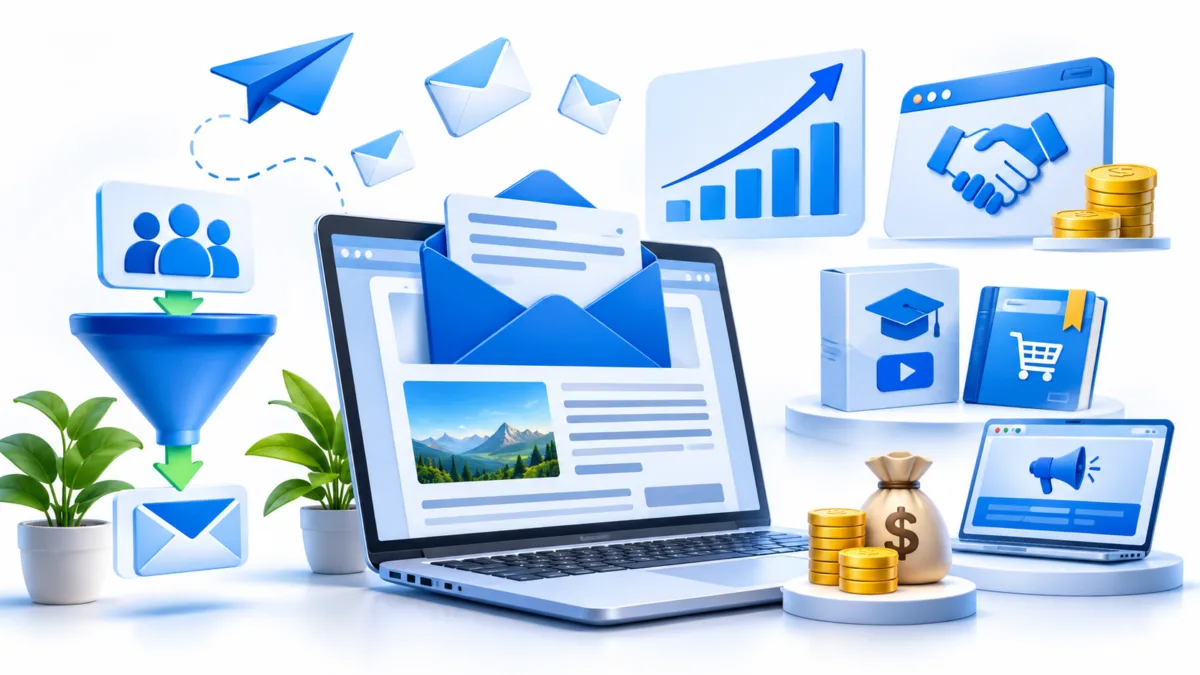
Newsletters make money by connecting a specific audience with products, services, information, or experiences that provide value.
There are two broad approaches to newsletter monetization.
Direct monetization means earning revenue directly from the newsletter. Paid subscriptions and sponsorships are common examples.
Indirect monetization means using the newsletter to generate revenue through another business activity. Affiliate marketing, digital product sales, and service leads fall into this category.
For example, a newsletter creator might earn recurring income from paid subscribers while also recommending relevant software through affiliate links.
However, not every monetization model is suitable for every newsletter.
A small, highly focused newsletter may be better suited to affiliate marketing or digital product sales than traditional sponsorships. A large publication with strong engagement may have more opportunities to attract advertisers.
Before choosing a strategy, consider three things:
- Audience relevance: Does the offer solve a problem your readers actually have?
- Audience trust: Would subscribers consider the recommendation useful and credible?
- Revenue potential: Can the model generate enough income to justify the time and resources involved?
Understanding these factors makes it easier to select a realistic monetization strategy.

7 Newsletter Monetization Strategies That Actually Work
There is no single way to make money from a newsletter. Different creators use different revenue models depending on their niche, audience size, content quality, and business goals.
Here are seven practical approaches worth considering.
1. Paid Newsletter Subscriptions
A paid newsletter allows readers to access exclusive content in exchange for a recurring subscription fee.
Instead of making every email available for free, you create a premium version that provides additional value.
For example, a free personal finance newsletter might share general budgeting advice. Its paid version could include detailed financial research, downloadable spreadsheets, monthly planning guides, and deeper educational content.
Some creators use a free-and-paid model:
- Free subscribers receive regular introductory content.
- Paid subscribers receive premium articles, reports, templates, or exclusive resources.
The free version helps attract new readers, while the premium version gives interested subscribers a reason to pay.
How to get started:
- Choose a specific topic where you can provide ongoing value.
- Decide what premium subscribers will receive.
- Establish a realistic publishing schedule.
- Select a platform that supports paid subscriptions.
- Explain the difference between free and premium access.
Advantages: Potential for recurring revenue, greater control over premium content, and a direct relationship with paying subscribers.
Challenges: Readers need a strong reason to pay, premium content requires consistent effort, and subscribers may cancel if the value does not meet expectations.
Best for: Industry experts, educators, researchers, financial writers, and creators with specialized knowledge.
2. Newsletter Sponsorships and Advertising
Sponsorships are another common way newsletters generate income.
A company pays to have its product, service, or message featured in a newsletter sent to a relevant audience.
For example, a newsletter about digital marketing might feature a sponsored section introducing an SEO tool. A newsletter about productivity could include a sponsorship from a project management software company.
The advertiser is paying for access to an audience that may be interested in its offer.
Sponsorship arrangements can take different forms:
- Sponsored newsletter sections.
- Dedicated promotional emails.
- Sponsored recommendations.
- Newsletter banner placements.
- Sponsored educational content.
The amount a publisher earns can depend on factors such as audience size, subscriber engagement, niche, placement, and advertiser demand.
A large subscriber list does not automatically guarantee attractive sponsorship opportunities. Advertisers also care about whether the audience matches their target customers.
How to get started:
- Build a newsletter around a clearly defined niche.
- Track meaningful engagement and audience growth.
- Prepare a media kit with subscriber information and relevant performance metrics.
- Identify companies whose products match your readers’ interests.
- Contact potential sponsors with a clear proposal.
You can also explore newsletter sponsorship marketplaces when your publication meets their requirements.
Advantages: Earn revenue without creating your own product, potential for repeat advertising partnerships, and usefulness for established newsletters with a defined audience.
Challenges: Finding suitable sponsors takes time, advertisers may expect evidence of audience quality, and too many promotions can reduce subscriber trust.
Best for: Established newsletters with consistent engagement and a clearly defined audience.
3. Affiliate Marketing
Affiliate marketing allows you to earn a commission when subscribers purchase a product or complete another qualifying action through your referral link.
It is one of the most accessible newsletter monetization strategies because you do not need to develop or manage your own products.
Instead, you recommend relevant products or services offered by other businesses.
Imagine you run a newsletter about online business. Your subscribers regularly receive advice about website development, content creation, and digital marketing.
You could naturally introduce:
- Website hosting services.
- Email marketing software.
- SEO tools.
- Productivity applications.
- Online business resources.
- Digital creator platforms.
If a reader clicks your affiliate link and completes a qualifying purchase, you may earn a commission according to the affiliate program’s terms.
How to get started:
- Choose affiliate programs relevant to your newsletter niche.
- Understand each program’s commission structure and promotional rules.
- Identify products that genuinely help your audience.
- Create useful content explaining the products and their benefits.
- Include affiliate links where they naturally support the discussion.
- Clearly disclose your affiliate relationships.
For example, instead of sending an email that simply says, “Buy this email marketing tool,” create a useful guide explaining how beginners can build an email list. Within the guide, introduce a relevant tool and explain what it does, who might benefit from it, and what limitations readers should consider.
That approach gives readers useful information while creating an opportunity to earn affiliate commissions.
Advantages: No need to create your own product, can work with a relatively small but relevant audience, multiple affiliate programs may be available in the same niche, and can complement educational newsletter content.
Challenges: Commission rates and program terms vary, some programs have restrictions on email promotion, poor recommendations can damage audience trust, and income depends on clicks, conversions, and qualifying purchases.
Best for: Bloggers, affiliate marketers, niche publishers, and creators who regularly recommend useful tools or resources.
Important: Always check whether an affiliate program permits email marketing and whether it imposes rules on links, advertising language, or promotional methods. Disclose material affiliate relationships clearly and conspicuously.
For more ideas, explore our guide on affiliate marketing without a website.
4. Selling Digital Products
Selling digital products is another practical way to monetize a newsletter.
A digital product is something customers can purchase and access electronically rather than receiving as a physical item.
Examples include:
- Ebooks and downloadable guides.
- Budgeting spreadsheets.
- Business templates.
- Notion templates.
- Printable planners.
- Checklists and worksheets.
- Design assets.
- Educational resource bundles.
If you are exploring ways to build and sell your own digital products, you may also find our beginner’s guide to PLR products useful.
The biggest advantage is that you can create a product once and sell it to multiple customers without handling physical inventory or shipping.
Consider a newsletter focused on helping beginners start an online business. You could create a digital product bundle containing a business planning workbook, a niche research template, an affiliate marketing checklist, a content calendar, and an email marketing guide.
Your newsletter could provide free advice related to these topics and introduce the bundle to readers who want a more organized, ready-to-use solution.
How to get started:
- Identify a problem subscribers repeatedly face.
- Research what resources could help solve it.
- Create a useful digital product.
- Choose a platform to process payments and deliver the files.
- Introduce the product through relevant newsletter content.
- Collect feedback and improve the product over time.
Avoid creating products simply because they seem easy to sell. Start with an actual audience problem.
Advantages: You control the product and pricing, no physical inventory is required, products can be sold repeatedly, and bundles can increase the value of an offer.
Challenges: Product creation requires time and research, you need a reliable checkout and delivery process, customer support and refunds may require attention, and you must communicate the product’s value clearly.
Best for: Bloggers, educators, online entrepreneurs, and creators with practical knowledge they can package into useful resources.
5. Promoting Online Courses
If you have knowledge or expertise in a particular subject, online courses can provide another newsletter revenue stream.
A course takes subscribers beyond short email lessons and offers a structured learning experience.
For example, a newsletter about content marketing could share free weekly lessons about writing, SEO, and audience research. You could then offer a paid course teaching beginners how to build a complete content marketing strategy.
There are two main approaches:
Create your own course: Develop educational material, record lessons, prepare assignments, and sell access directly to subscribers.
Promote someone else’s course: Join an affiliate program and recommend relevant courses in exchange for qualifying commissions.
Creating your own course offers greater control over the product and revenue model. Affiliate promotion generally requires less product development, but you have less control over course quality, pricing, and customer experience.
How to get started:
- Choose a topic where you can provide genuine educational value.
- Identify a specific learning outcome.
- Organize the material into manageable lessons.
- Select a suitable course platform.
- Introduce the course to subscribers who need that solution.
A course should solve a clear problem rather than simply contain a large number of videos.
Advantages: Can support higher-value offers, creates opportunities to build authority, and complements educational newsletters.
Challenges: Developing quality lessons takes time, students may expect ongoing support, and course sales require trust and clear positioning.
Best for: Teachers, coaches, experienced professionals, and creators with a structured process they can teach.
6. Creating Paid Memberships and Communities
Some readers want more than information delivered through email. They want ongoing access to a community, exclusive resources, or opportunities to interact with other people who share their interests.
A membership model allows subscribers to pay regularly for access to additional benefits.
Depending on your niche, those benefits might include:
- Private discussion groups.
- Exclusive tutorials and resources.
- Monthly workshops.
- Live Q&A sessions.
- Member-only newsletters.
- Networking opportunities.
- Premium templates and downloads.
For example, a newsletter about freelance business could introduce a paid membership that provides monthly business workshops, client acquisition resources, and a private community for independent professionals.
Your free newsletter becomes the main way to attract interested people and explain the value of joining.
However, building a community requires more than opening a private group. Members need regular reasons to participate, and the experience should justify the recurring fee.
Advantages: Recurring membership revenue, stronger relationships with dedicated readers, and opportunities to create an active community.
Challenges: Communities require ongoing management, members may expect regular interaction, and low participation can reduce perceived value.
Best for: Educators, professional communities, niche experts, and creators whose audiences benefit from interaction.
7. Selling Services and Consulting
A newsletter can also help generate clients for a service-based business.
Instead of earning money from every email directly, you use valuable content to demonstrate your expertise and attract people who may need professional help.
For example, a newsletter about digital marketing could share practical advice about SEO, content strategy, and website optimization. A reader who wants help implementing those strategies might eventually become a consulting client.
Possible services include:
- SEO consulting.
- Website design.
- Content writing.
- Social media management.
- Business coaching.
- Marketing strategy.
- Email marketing setup.
- Graphic design.
You can introduce your services through occasional educational emails, case studies based on verified client work, or clear calls to action.
How to get started:
- Identify a service that solves a problem your subscribers have.
- Explain the problem through useful newsletter content.
- Demonstrate your knowledge without exaggerating your experience.
- Describe your service and the outcome it aims to deliver.
- Provide a straightforward way to contact you or book a consultation.
One advantage of this model is that you do not necessarily need thousands of subscribers. A relatively small audience containing potential clients may create meaningful business opportunities.
Advantages: Can generate revenue from a focused audience, does not require developing a separate digital product, and helps establish professional credibility.
Challenges: Service delivery requires your time, revenue may not be recurring, and client acquisition and project management require effort.
Best for: Freelancers, consultants, agencies, coaches, and skilled professionals.
How to Monetize a Newsletter With a Small Audience
One common misconception about newsletter monetization is that you need thousands of subscribers before you can earn money.
That is not necessarily true.
A smaller newsletter can still create revenue opportunities when its subscribers share a specific interest and trust the recommendations they receive.
For example, a newsletter with 500 readers interested in starting an online business may be more valuable to a specialized software company than a much larger newsletter with a broad, unrelated audience.
The reason is relevance. Advertisers and product creators want to reach people who are likely to benefit from what they offer.
1. Focus on a Specific Niche
Avoid trying to attract everyone.
Choose a subject that appeals to a clearly defined group of people. This makes it easier to understand their problems and create content that matches their interests.
Examples include affiliate marketing for beginners, personal finance for young professionals, productivity tools for freelancers, digital products for online entrepreneurs, and home gardening for small-space homeowners.
A focused audience also makes it easier to identify relevant products and potential sponsors.
2. Build Trust Before Promoting Products
Subscribers should receive useful information even when you are not selling anything.
Share practical advice, explain complicated topics, answer common questions, and recommend resources that genuinely help readers.
If every email contains a sales pitch, subscribers may lose interest.
A better approach is to make useful content the foundation of your newsletter and introduce commercial offers when they naturally fit the subject.
3. Start With Relevant Affiliate Products
Affiliate marketing can be a practical starting point because you do not need to develop your own product.
Look for products that solve problems your readers already have. For example, if your newsletter focuses on blogging, you might recommend website hosting, SEO software, content tools, or email marketing platforms.
Avoid promoting products simply because they offer attractive commissions. A recommendation that does not match your audience can damage your credibility.
4. Create a Simple Digital Product
You do not need to launch a large online course immediately.
Start with something useful and manageable, such as a checklist, spreadsheet, template, or short guide.
For instance, a newsletter about affiliate marketing could offer a beginner’s affiliate campaign planner.
A small product can help you understand what subscribers are willing to pay for before investing in a larger product.
5. Track Engagement and Improve Your Offers
Subscriber count alone does not explain how well your newsletter is performing.
Pay attention to clicks on important links, product page visits, affiliate conversions, paid subscription activity, replies and reader feedback, and unsubscribes after promotional emails.
Use this information to understand what readers find useful.
Email open rates can provide some directional information, but they are not a perfect measure of engagement. Privacy features and email-client behavior can affect open tracking.
The goal is not to send more promotions. It is to make better recommendations based on what your audience actually needs.
How to Start a Newsletter and Build a Profitable Audience
Starting a newsletter does not require a complicated business setup. You can begin with a clear topic, an email platform, a signup form, and a plan for publishing useful content.
The following steps provide a practical starting point.
Step 1: Choose a Profitable Newsletter Niche
Your niche determines the audience you attract, the content you create, and the monetization opportunities available to you.
A useful niche should meet three conditions:
- People have a genuine interest in the subject.
- You can consistently create useful content about it.
- There are relevant products, services, or other revenue opportunities.
Some promising areas to research include personal finance education, digital marketing, career development, health and fitness information, productivity, and online entrepreneurship, including Micro SaaS business models.
However, a popular niche is not automatically profitable for every creator. Competition, audience needs, your expertise, and the availability of suitable offers all matter.
Start with a topic you can cover consistently rather than choosing a niche based only on its perceived earning potential.
Step 2: Identify Your Target Audience
Once you select a niche, determine exactly who you want to reach.
Think about their experience level, biggest problems, what information they regularly search for, what products or services they already use, and what would motivate them to subscribe.
For example, “people interested in marketing” is a broad audience. “Beginner affiliate marketers who want to generate traffic without spending heavily on advertising” is more specific.
That distinction makes content planning and product recommendations easier.
Step 3: Choose a Newsletter Platform
You need an email platform to collect subscribers, create campaigns, manage your audience, and send newsletters.
Several platforms offer features designed for different types of creators.
beehiiv
beehiiv is designed around newsletter publishing, audience growth, and monetization. It is worth exploring if you want to build a newsletter-focused business.
Kit
Kit is built for creators who want to manage subscribers, automate email sequences, and sell digital products.
Mailchimp
Mailchimp offers email campaigns, audience management, signup forms, and marketing automation for businesses.
Substack
Substack is a publishing platform that combines newsletters, subscriptions, and audience-building features.
Newsletter Platform Comparison
| Platform | Particularly useful for |
|---|---|
| beehiiv | Newsletter-focused publishing and monetization |
| Kit | Creators, email sequences, and digital products |
| Mailchimp | Business email marketing and automation |
| Substack | Writers and paid newsletter subscriptions |
Before choosing, compare current pricing, subscriber limits, transaction fees, automation features, integrations, export options, and monetization restrictions.
Do not choose a platform simply because it offers the most features. Select one that supports your current business model and can accommodate your expected growth.
Step 4: Create a Signup Form and Lead Magnet
A signup form allows website visitors to join your newsletter.
You can place it on your homepage, blog posts, landing pages, and other relevant website sections.
However, simply asking people to subscribe may not be enough. Give them a clear reason to join.
One effective approach is to offer a lead magnet: a free resource that solves a specific problem in exchange for an email subscription.
Examples include a beginner’s checklist, downloadable ebook, free template, resource list, short email course, or practical workbook.
For instance, a newsletter about digital entrepreneurship could offer a free checklist titled “10 Steps to Launch Your First Digital Product.”
Make sure your signup form clearly explains what subscribers will receive and how often you plan to email them.
Step 5: Publish Valuable Content Consistently
Consistency helps subscribers understand what to expect.
You do not need to send emails every day. A weekly or biweekly schedule can be a manageable starting point, depending on your topic and available resources.
A useful newsletter might include one practical lesson, a helpful resource or tool, an explanation of a common problem, a link to a relevant article, and one clear next step.
Keep your emails easy to scan. Use descriptive subject lines, short paragraphs, meaningful headings, and mobile-friendly formatting.
Most importantly, make sure each email provides a reason for subscribers to read it.
Step 6: Introduce Your Monetization Strategy
Once you understand your audience and have established a consistent publishing routine, begin testing a suitable revenue model.
You might start with one affiliate recommendation, introduce a downloadable product, or explore paid subscriptions.
Avoid launching every monetization method simultaneously.
Start with the model that best matches your audience’s needs. Measure the response and improve your approach.
For example, a newsletter about website development might begin with relevant affiliate software recommendations. Later, the creator could introduce a website launch checklist or a premium tutorial.
This gradual approach helps you understand what works before expanding your business.
Best Newsletter Platforms for Creators
The best newsletter platform depends on your publishing goals, audience, and preferred monetization model.
Here is a closer look at the four platforms discussed above.
beehiiv
beehiiv is worth considering if you want to build a publication around recurring newsletters.
Its newsletter-oriented ecosystem makes it relevant for creators interested in growing an email audience and exploring monetization options.
It may be a suitable choice for independent publishers who want newsletter-specific features rather than a general-purpose email marketing setup.
Kit
Kit is particularly relevant to creators, educators, and digital product sellers.
If your business involves lead magnets, automated email sequences, and selling downloadable products, its creator-focused features may be useful.
It is worth comparing its current commerce and automation options before committing.
Mailchimp
Mailchimp is a broader email marketing platform designed for businesses that need audience management and campaign automation.
It can be useful if your newsletter is part of a larger marketing strategy involving website visitors, customers, and promotional campaigns.
Its feature set may be more than a simple newsletter publisher needs, so compare plans carefully.
Substack
Substack is a publishing platform that makes it possible to distribute written content through email and the web.
It is particularly relevant to writers and independent publishers interested in building a readership and offering paid subscriptions.
If you want extensive control over integrations, automation, or a separate website experience, evaluate those requirements before choosing it.
Which Platform Should You Choose?
If your main goal is building a newsletter publication, compare beehiiv and Substack. If you plan to sell digital products and use automated email marketing, look closely at Kit. If you need broader business email campaigns, Mailchimp is another option.
There is no universal winner. Your business requirements should determine the choice.
Common Newsletter Monetization Mistakes to Avoid
A newsletter can have valuable content and a growing subscriber list but still struggle to generate income.
Often, the problem is not the monetization model itself. It is how the creator approaches the audience relationship.
Here are several mistakes worth avoiding.
1. Monetizing Before Building Trust
Introducing paid offers immediately after someone subscribes can make the newsletter feel like a sales funnel rather than a useful publication.
Give new subscribers a positive experience first. Explain what they can expect, provide valuable information, and introduce relevant offers when there is a natural connection.
2. Sending Too Many Promotional Emails
Promotions have a place in a newsletter, but excessive sales messages can reduce engagement.
If every email asks readers to purchase something, they may stop opening your messages or unsubscribe.
Maintain a healthy balance between educational content, useful recommendations, and promotional offers.
3. Recommending Irrelevant Affiliate Products
A product with a high commission is not necessarily a good recommendation.
For example, promoting advanced business software to subscribers who are still learning basic online business concepts may not produce useful results.
Focus on audience needs first and commission potential second.
4. Ignoring Email Deliverability
Even a well-written newsletter cannot perform effectively if messages consistently land in spam folders.
Pay attention to domain authentication, list quality, bounce rates, spam complaints, sending consistency, and relevant email content.
Use appropriate authentication records such as SPF, DKIM, and DMARC according to your email provider’s requirements. Keep your mailing list permission-based and provide an easy unsubscribe option. For a US-focused overview of commercial email requirements, consult the FTC CAN-SPAM compliance guide.
5. Focusing Only on Subscriber Numbers
A large mailing list may look impressive, but it does not automatically produce revenue.
A smaller audience that regularly clicks relevant links and purchases suitable products may be more commercially valuable.
Measure the quality of your audience rather than treating subscriber growth as the only indicator of success.
6. Not Disclosing Affiliate Relationships
Transparency is essential when you earn commissions from product recommendations.
Readers should understand when you have a financial relationship with a company whose products you promote.
For US audiences, the Federal Trade Commission’s endorsement guidance explains the importance of clear and conspicuous disclosure of material connections. Read the FTC endorsement guidance.
7. Ignoring Subscriber Feedback
Your assumptions about what readers want may not always be correct.
Ask questions, review replies, and observe which topics generate meaningful engagement.
Subscriber feedback can reveal opportunities for new products, content improvements, and better monetization offers.
Frequently Asked Questions About Newsletters
What Is a Newsletter in Simple Words?
A newsletter is an email sent regularly to people who have subscribed to receive information about a particular topic, business, or creator. It may include news, tips, educational content, updates, recommendations, or promotional offers.
Can You Make Money From a Newsletter?
Yes. You can make money through paid subscriptions, sponsorships, affiliate marketing, digital product sales, online courses, memberships, and consulting services. The best approach depends on your niche, audience, content quality, and business model.
How Many Subscribers Do You Need to Monetize a Newsletter?
There is no universal subscriber threshold for newsletter monetization. You may be able to earn affiliate commissions or sell a digital product with a relatively small audience if subscribers have a genuine interest in your offer.
However, sponsorship opportunities and advertising revenue often depend on audience size, engagement, niche relevance, and advertiser demand.
What Is the Best Way to Monetize a Newsletter?
There is no single best strategy for everyone. Affiliate marketing can work well for creators who recommend relevant products. Digital product sales are useful for people who can create valuable resources. Paid subscriptions suit publishers who can provide exclusive content consistently.
Choose a strategy that fits your audience rather than copying another newsletter’s business model.
Can Beginners Make Money From Newsletters?
Yes. Beginners can start by selecting a focused topic, building a permission-based email list, and publishing useful content consistently. They can gradually test affiliate marketing, simple digital products, or other suitable monetization methods as their audience develops.
The important thing is to build a useful publication rather than expecting immediate income.
Are Free Newsletters Profitable?
Yes. A newsletter does not need to charge subscribers to generate revenue. Free newsletters can earn through sponsorships, affiliate commissions, product sales, course promotions, and service inquiries.
A free newsletter can also help a business attract potential customers and support other revenue streams.
Which Newsletter Platform Is Best for Monetization?
The right platform depends on your preferred revenue model. beehiiv and Substack are worth considering for newsletter publishing and paid subscriptions. Kit is relevant for creators selling digital products and using email automation. Mailchimp is useful for broader email marketing needs.
Compare current features, pricing, and transaction fees before making a decision.
Final Thoughts: Build a Newsletter That Creates Long-Term Income
A newsletter can become a valuable business asset when you approach it with a clear purpose and a genuine understanding of your audience.
You do not need to start with thousands of subscribers, expensive software, or a complicated monetization plan.
Begin with a specific niche. Create useful content. Give people a clear reason to subscribe. Then introduce revenue opportunities that naturally fit their needs.
Affiliate marketing, sponsorships, paid subscriptions, and digital product sales all offer different ways to generate income. The right choice depends on what you can provide and what your readers actually value.
Most importantly, remember that subscribers are people, not just email addresses. Respect their attention, communicate honestly, and make every recommendation worth their time.
A profitable newsletter is not built by sending the most promotional emails. It is built by becoming a resource that people want to hear from.